

Pre-Purchase Roof Inspection for Texas City Buyers
A house can pass a showing with flying colors and still hide a $15,000 roof problem over your head. Buyers in Texas City work against a short option period, often a week to ten days once the contract is signed. That window is when a dedicated roof inspection earns its keep.
A general home inspection looks at the roof. A pre-purchase roof inspection studies it. The difference decides whether you negotiate from facts or pay for surprises after closing.
Your home inspector is not a roof inspector
A licensed home inspector gives the roof a section of a much bigger report. Time is limited, and many inspectors evaluate the roof from the ground or a ladder at the eave. They note obvious damage and move on to the other two hundred items on their list.
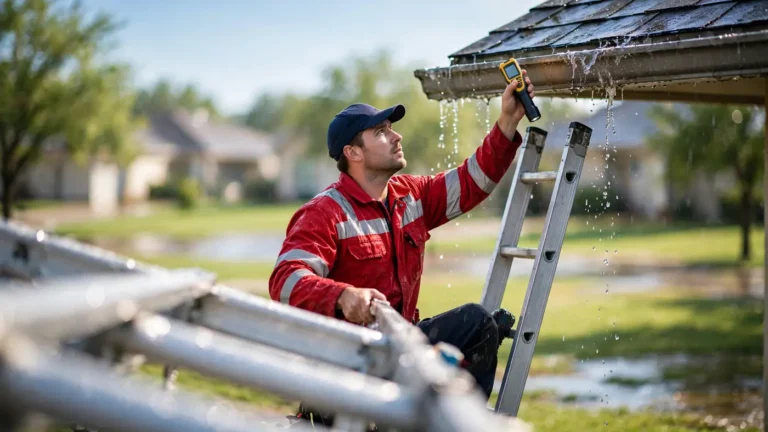
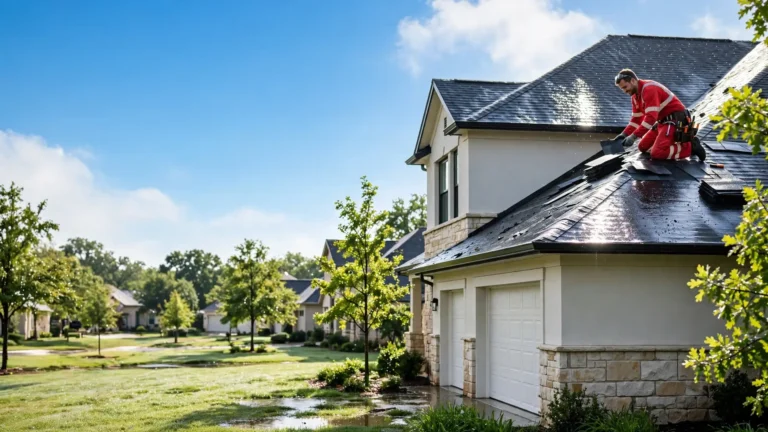
A roofing professional doing a pre-purchase inspection gets on the roof and into the attic. They walk the surface, test suspect spots by hand, check every penetration and seam up close, and look for the early signs a ground level view cannot show. For a buyer, that depth is the whole point. You are not asking whether the roof exists. You are asking how much life it has left, what it needs now, and what it will cost you in the first years of owning the home.
What the inspection actually covers
Surface condition. Missing, curled, cracked, or patched shingles, and how much wear the whole field of the roof shows, not just the worst corner.
Remaining life signs. Granule loss, brittle tabs, exposed fasteners, and previous repair layers. No honest inspector can promise an exact number of years, but the signs separate a roof with a decade left from one living on borrowed time.
Flashing and penetrations. The metal and seals around chimneys, vents, pipes, and skylights. Most leaks start here, and most are repair-sized when caught early.
Valleys and drainage. Debris packed valleys, ponding spots on low slopes, and gutters that spill water back under the roof edge.
The attic. Water stains, soft or darkened decking, wet insulation, daylight through the boards, and ventilation problems that cook a roof from underneath.
Previous work. Layered roofs, mismatched patches, and repairs done with more tar than judgment. Old work is fine when it was done right. The inspection tells you which kind you are buying.
You get the findings in writing, with photos. That document is your negotiating tool, and later it becomes your maintenance starting point.
Warning signs you can spot during a showing
You do not need a ladder to screen a roof before you offer. From the yard, look for shingles that curl, buckle, or show bald patches where the granules are gone. Sagging lines along the ridge or between rafters can mean tired decking. Stains running down the siding under a valley suggest water has been escaping there for a while.
Inside, glance at the ceilings in every room, especially under valleys and around bathrooms. Pale rings and bubbling paint are old leak signatures. If the seller lets you see the attic, a flashlight shows darkened wood, matted insulation, and daylight at penetrations. A heavy musty smell up there is information too.
None of this replaces the inspection. It tells you whether to write the offer with clear eyes, and whether to put the roof inspection at the front of your option period rather than the end of it.
The two Galveston County questions other buyers never face
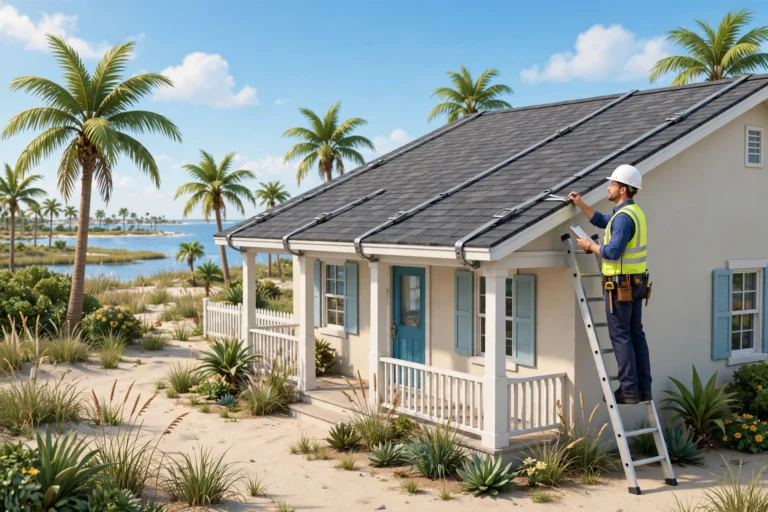
First, the WPI-8. In this windstorm area, a roof without a WPI-8 certificate of compliance can make windstorm coverage hard or impossible to place, and lenders require insurance. Ask the seller for the certificate and get a copy. If none exists, the inspection should flag what compliance would take. Our WPI-8 windstorm certificate guide walks through the full picture, and the WPI-8 repair guide covers bringing a roof up to standard.
Second, insurability at this roof’s age. Carriers judge roofs by age and condition. An older roof can mean a higher premium, a roof schedule that pays depreciated value, or a requirement to replace within a set time after closing. Finding that out during the option period is free. Finding it out from your new insurer’s letter is not. Our guide to homeowners insurance and roof leaks explains how carriers look at coastal roofs.
What the findings let you negotiate
A written inspection report turns worry into line items, and line items are negotiable. Common outcomes:
- Repairs before closing. The seller fixes the flashing, the vent boots, or the active leak, with invoices to prove it.
- A credit at closing. You take the roof as is and the price moves by an agreed amount toward the repair cost.
- A price adjustment for a roof at end of life. If replacement is clearly coming in the first years, that belongs in the price conversation now. Our replacement cost guide shows what that job runs locally.
- Walking away informed. Rare, but a roof that needs full replacement plus structural decking work changes what the home really costs. The option period exists for exactly this.
Sellers respond better to a roofer’s written report than to a buyer’s gut feeling. Paper negotiates. Opinions just argue.
How the timeline fits your option period
Day one under contract: book the roof inspection. You do not need the general inspection finished first. Most local providers can get a buyer inspection done within a few days when a closing deadline is real.
Results usually come back within a day or two of the visit, in writing, with photos. That leaves time to get a repair quote if the findings need pricing, and to make your request while you still have option period leverage.
Budget-wise, a roof inspection is small money next to the decision it protects. Our roof inspection cost guide breaks down what the visit runs and what moves the price. Bring the seller’s disclosures and any past repair paperwork to the visit. Knowing where a leak was patched three years ago tells the inspector exactly where to look hardest.
Get the roof answered before the deadline does
You are about to make the biggest purchase of your life with a roof you have never stood on. A pre-purchase roof inspection replaces that unknown with a written answer, while you still have time to act on it.
If your option period is running, call (409) 290-5353. RoofLeakLocal connects you with an independent local provider who can inspect the roof and put the findings in writing. We are a guide and referral site, not a roofing company, and the call costs you nothing.
Frequently asked questions
Is the roof already covered by my home inspection?
Partly. A home inspector notes the roof’s general condition, often from the ground or a ladder. A dedicated roof inspection walks the surface and checks the attic, flashing, and wear patterns up close. For a purchase this size, the dedicated visit is the one that finds repair-sized problems while they are still negotiable.
How much does a pre-purchase roof inspection cost?
A straightforward roof inspection is one of the cheaper professional visits in a home purchase, and pricing moves with roof size, height, and access. Our roof inspection cost guide gives the current local breakdown. Booked against a closing deadline, it is priced nothing like the surprise it prevents.
What if the roof is old but not leaking?
Old and sound is a planning fact, not a deal breaker. The report estimates remaining life from wear signs, so you can budget a replacement years out instead of meeting it as an emergency. It also matters for insurance, since carriers price and sometimes restrict coverage by roof age and condition.
Can I ask the seller to repair the roof before closing?
Yes. Common requests are fixing active leaks and failed flashing, or a closing credit equal to part of the repair cost. A roofer’s written report with photos makes the request concrete, and sellers agree to documented repairs far more often than to vague concerns.
Why does the WPI-8 certificate matter for my purchase?
In the Galveston County windstorm area, windstorm coverage usually requires proof the roof meets the windstorm code. A missing WPI-8 can stall your insurance and your lender. Ask for the certificate during the option period, not at the closing table. Our WPI-8 certificate guide explains what to ask for.